

















Direct heat and indirect heat
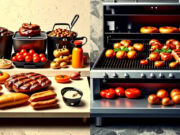
Every fire I cook on is one of two arrangements, or both in the same afternoon. Direct means the meat is over the coals and the heat hits it the way a skillet does. Indirect means the coals are to the side, or the firebox is a separate box, and the meat cooks in the hot air. I spent a long time owning one grill and using it as a single blast of heat, which is why my chicken was black outside and unhappy inside.
Direct, and the food that wants it
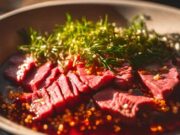
Steaks, pork chops, souvlaki, burgers, thin fish, asparagus, bread. The grate is hot. The cook is short. I am standing there. If I walk off, direct heat becomes a grease fire and a hockey puck, in that order.
On a kettle I dump a full chimney in the center for a true direct bed, or I leave a bare crescent if I suspect I will need an escape hatch. On gas I light the burners under the meat and leave one off. The sear lives here. So does the first color on a chicken thigh before it moves off the flame.
Indirect, and the food that needs the time
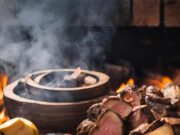
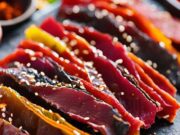
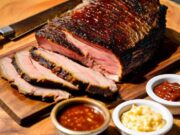
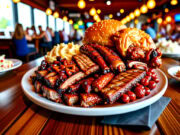
Brisket, pork shoulder, ribs, a whole chicken, a turkey. Anything thicker than about an inch and a half that I also want cooked through will burn on the outside before the middle is food, if I leave it over the coals the whole time. Brisket is the long version of this idea. Low and slow is the method with the patience attached. This page is only the setup.
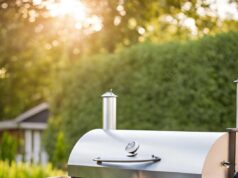
On a kettle: coals banked to one side, meat on the other, lid on, top vent over the meat so the air washes across it. A foil pan under the meat catches fat and steadies the air a little. On an offset the fire is in the firebox and the meat is in the cook chamber, which is indirect by design. On gas: burners on at the ends or on one side, meat over the unlit burner, lid down.
Both, which is most of my good meals
A thick steak gets indirect until it is about 15 degrees under where I want it, then a minute a side over the coals. Or the reverse: hard sear first, then the cool side to finish. I changed my mind about the order after I kept overcooking the second side. Reverse sear is written on the sear page, not here, so this page does not steal that keyword and then say less.
Chicken thighs I color over the coals, sauce them, and finish indirect so the skin stays crisp and the sweet sauce does not turn black. Ribs never see a full bed of coals until the last few minutes, and only if I want a little char on the glaze. A slab left direct for an hour is how I ruined a rack in 2019 and told people the rub was “bold.”
How I know which one I built
Hand over the grate, carefully, for a count. If I have to pull away in a second, that zone is direct. If I can hover for four or five, it is indirect or the fire is simply too small. The honest tool is a grate-level thermometer, which is the thermometer I use, clipped to the grate at meat height. The dome gauge is a rumor about the lid.
Charcoal versus gas does not change these two ideas. It changes how fast you can fix them. That comparison is charcoal or gas. Vents, wind, and a fire that will not sit still are temperature control. If your town is under a burn ban, neither setup gets lit. Read red flag warnings before you stack the chimney.