


















Indigenous cooking and the modern pit
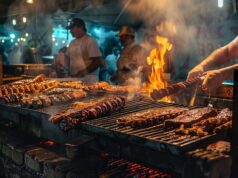
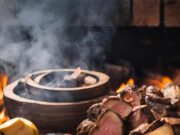
The old address of this page was a sauce slug. The title was about indigenous cooking. I am keeping the title’s subject and throwing the slug away, because the mismatch was embarrassing. What I can say, as a cook and not as a spokesperson for anybody’s nation, is that cooking with wood and with the whole animal is older than the offset smoker in my yard. A lot of what I call technique is a steel box around a fire people already understood.
The word barbecue itself is tied to the Caribbean, to barbacoa, and that trail is where barbecue came from. This page is the part I will not fold into one paragraph and move on.
What shows up in the way I cook
Low heat over time. Smoke as a seasoning, not a fog. Using more of the animal than the pretty chop. Those are in low and slow and in the wood I burn, and they are not inventions of a weekend magazine. Colonial writers described public fires they were watching, often without naming the people who tended them. That chapter is the colonial era, and it has the same hole if you only read the people holding the pen.
What I will not do here
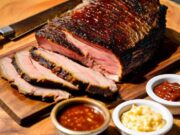
I will not list “indigenous rubs” I composed in a kitchen and attribute them to a nation. I will not put a dreamcatcher in a rubric and call it respect. If I cook a dish from a specific people, I name the dish and the source, or I do not cook it on this blog. The American regions I do cook, and can stand behind as my own pots, are regional styles. They sit on top of older fires. Saying that is the minimum. Pretending my brisket recipe is a museum label helps no one.