




















Cooking on a kamado
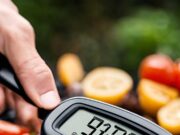
A kamado is a ceramic egg with a fire in the bottom and a grate in the middle. It holds heat the way a kettle does not, which is a gift on a long cook and a trap if you overshoot. Once the ceramics are hot, shutting the vents does not cool them in five minutes. I learned that by aiming at 250°F, blinking, and cooking at 350°F while the chicken skinned itself. Now I bring the temperature up slowly and I stop before the number I want, because it will coast.
Two setups
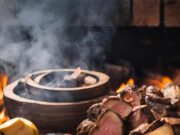
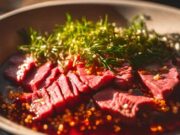
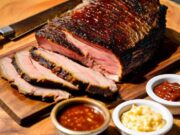
For a sear, coals closer to the grate, vents open, food over the fire. Steaks. The crust is how I sear. For a long cook, a plate or a deflector between the fire and the meat so it is indirect, vents barely cracked, a small clean fire. That is low and slow in a box that wants to help. Brisket still follows the brisket method. The ceramic does not change the probe test. It changes how little fuel you need and how much you regret an extra scoop of charcoal.
What I do not do
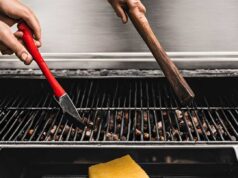
I do not rank this year’s five models. Buy one with a lid that seals and a grate you can lift without a fight. If the gasket is torn, you will chase temperatures all day and blame yourself. Replacing it is part of cleaning and keeping the pit. Compared with a kettle, you get efficiency and you give up some of the easy two-zone fiddling. Compared with gas, you still have a fire to light. That choice is charcoal or gas. The egg is charcoal, with a better memory for heat.