


















Texas BBQ rub
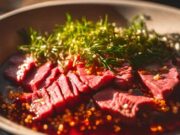
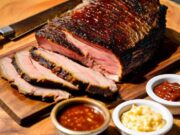
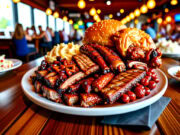
Central Texas rub is salt and black pepper. I fought that for a year by adding paprika and sugar “to make it a real rub,” and the bark came off sweet and soft. The brisket that finally tasted like the plate I wanted had kosher salt, coarse pepper, and time. The cook is how I smoke a brisket. The sweeter mix I use on pork is the other rub. They do not share a jar.
The ratio I use
Equal parts by volume: kosher salt and coarse black pepper, about a quarter cup each for a whole packer, which is more than a polite sprinkle and less than a crust you could chip off with a spoon. If the salt is fine table salt, use less. Fine salt is heavier in the same spoon and the meat will be brined past pleasant. I salt the night before and pepper in the morning so the pepper does not sit wet and clump.
That is the rub. Garlic powder is a thing people add. I add half a teaspoon when I want it and I do not pretend the Hill Country requires it. Sugar does not go on a twelve-hour beef cook in my pit. It burns, then it tastes like the burnt part, and the beef never gets a word in.
Where it stops
This coat is for beef that is going to spend a day in post oak smoke: brisket, and beef ribs if I have them. It is the wrong coat for pulled pork, which wants a little sugar and paprika, and the wrong coat for a steak, which wants salt and a hard sear, not a bark built over ten hours. Wood is oak, not a fruit wood trying to be dessert. Sauce, if anyone insists, stays on the side. The thick tomato one from the other city is Kansas City sauce, and it belongs on burnt ends, not on this bark.
The eating, as opposed to the rub, is Texas barbecue.