
















Grilled BBQ chicken
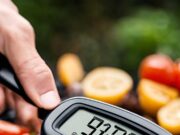
Chicken is where people trust the color of the skin and serve the joint pink. I stopped doing that the night a thigh looked perfect and the meat at the bone was not done. Now the skin can be as dark as it wants, and the decision is a thermometer in the thickest part of the thigh, not touching bone: 165°F. That number is not a style. It is the line I do not cross. More of those lines are on food safety.
Thighs, mostly
Bone-in, skin-on thighs. They forgive a hot spot. Breasts dry out if I look at the phone. If I cook breasts, they are thick, salted ahead, and they come off the second they hit temperature, then rest. Wings are their own article, grilled wings, because the sugar and the skin are a different problem. A whole bird on a spit is rotisserie. A turkey is smoked turkey.
Salt the day before if I remember, uncovered in the fridge, so the skin dries. A wet skin steams and stays rubbery. The rub in the morning, under the skin and on it, easy on the sugar.
Color first, sauce second
Coals banked to one side, or one gas burner off. I start the thighs skin-down over the hot side for a few minutes, watching for flare-ups, just until the skin has color. Then they move to the cool side, lid on, and I leave them. That two-zone setup is direct and indirect. If the fire is only direct, the skin is black before the joint is cooked, and somebody calls it Cajun.
Sauce when the thigh is around 150°F. Sweet sauce or the spicy one, thin coats, still on the cool side with the lid down, until it tightens and the meat hits 165°F. Sauce over the coals is how the sugar wins and the chicken loses. Rest five minutes. The juice that was going to run out on the cutting board stays in the meat if I wait.
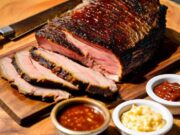
Alabama white sauce, mayonnaise and vinegar and pepper, is the odd one I like on smoked chicken and nowhere near a brisket. I mix it and keep it cold. It does not go on the grill to “set.” It goes on the carved meat. If you want the regional picture, it is in regional styles.