
















Smoked turkey
A turkey is not a large chicken and it is not a brisket. The breast is done, and then it is dry, in a small window. The legs take longer. I cook it at 275°F, hotter than my brisket, so the white meat spends less time waiting on the dark. Wood is pecan or cherry, a little. Turkey takes smoke like a coat and then it tastes like a chimney. Less wood than you think.
The bird
Thawed. A frozen bird on a pit is how you spend all day cooking the outside of an ice block. Salt it the day before, including under the skin of the breast, about half a teaspoon of kosher salt per pound. Butter or oil under the skin. I do not pack a sweet rub on it. Paprika for color is vanity. The pork rub is too much sugar for this skin.
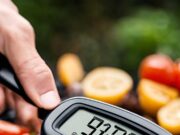
Indirect, a pan under it, 275°F at the grate. I start checking at two and a half hours for a twelve-pound bird and I do not believe a minute-per-pound chart I found in a comment. The chart on this site is a range for a reason. Breast comes off around 155°F and will climb while it rests. Thigh needs 175°F or it will chew like a rubber band, even though 165°F is the safety line. If the breast is racing ahead, I tent it with foil and let the legs catch up. That is the whole trick. I ignored it one November and served impressive legs with breast that needed gravy as an apology.
Rest, then carve
Forty minutes, loosely covered. Carve the breast across the grain. Sauce on the side if people want a holiday mood. Sweet sauce is fine there. It is not fine baked onto the skin for four hours. Weeknight chicken, if a whole turkey is the wrong size, is thighs. The safety temperatures, written without the holiday panic, are food safety.